
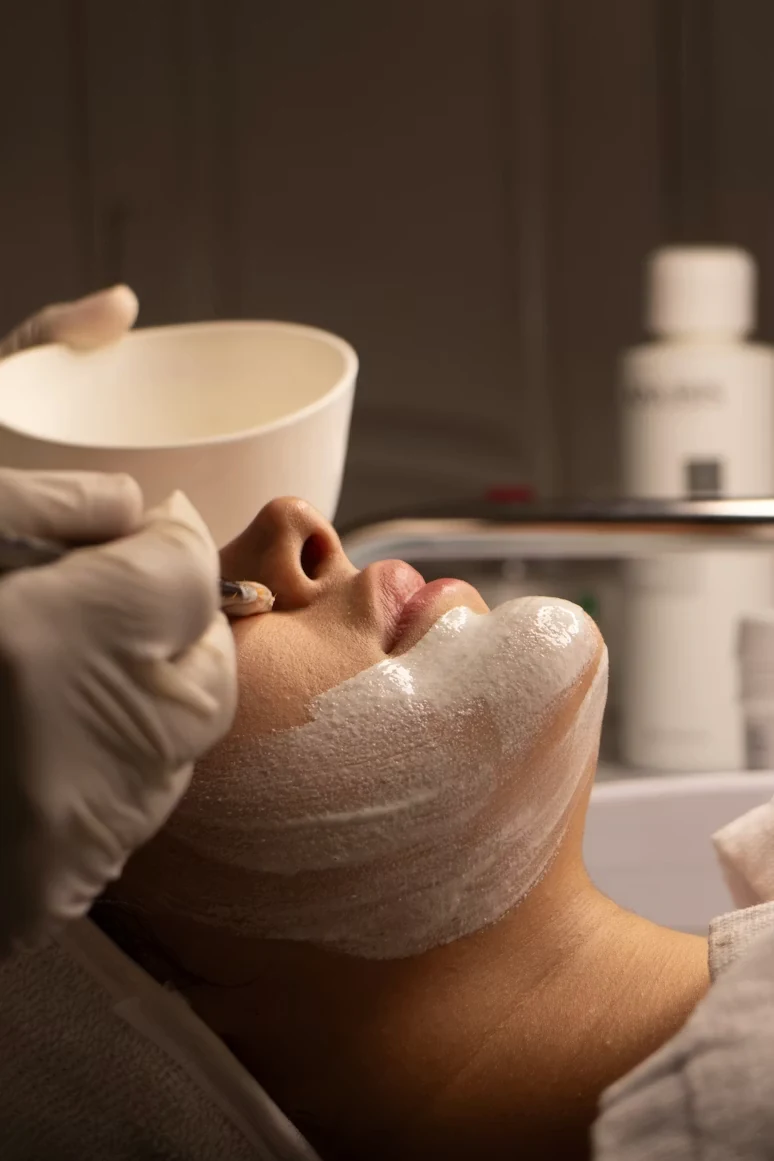
Regenerative aesthetics

Exosome Facial Treatment

Physician-guided exosome therapy designed to support smoother texture, encourage collagen remodeling, and improve the appearance of fine lines, scarring, and dull skin over time.

Regenerative aesthetics

What exosome therapy is used for

Exosome facial treatment at Lenox Medical Clinic

Exosome Facial Treatment

An exosome facial usually involves applying a concentrated exosome solution after a resurfacing step such as microneedling. Exosomes are tiny signaling vesicles released by cells, and they are used to communicate repair messages to skin cells.

In aesthetic care, the goal is not to replace surgery or injectables. The goal is to support skin repair, improve the look of texture and tone, and give the skin a more efficient recovery signal after treatment.

Because this is a newer category of regenerative aesthetics, it is especially important to ask about product sourcing, application method, and how the clinic handles safety and follow-up.
What it supports

Regenerative signaling with realistic expectations.

Cell-to-cell signaling

Exosomes carry proteins, growth factors, and genetic material that help cells communicate repair signals.

Often paired with microneedling

A resurfacing step creates micro-channels so the exosome solution can be applied directly to treated skin.

Supports recovery

Many patients choose exosome therapy to help the skin look calmer and recover more quickly after a procedure.

Realistic expectations

This is a promising treatment, but it is still an emerging field and results vary by patient and protocol.

How it works

What a typical treatment visit looks like

Step 1

Consultation

The visit begins with a provider review of your skin concerns, goals, and whether the product and protocol are a good fit.

Step 2

Microneedling or resurfacing

Controlled micro-channels are created so the treatment area is ready to receive the exosome solution.

Step 3

Exosome application

The topical solution is applied directly to the skin after treatment so the regenerative signal reaches the surface efficiently.

Step 4

Cooling and aftercare

A calming finish is often used to reduce redness, and patients are given short aftercare instructions for the first few days.

Who it helps

Who tends to be a good candidate

A provider evaluation is still the safest way to confirm whether the treatment fits your skin, goals, and medical history.

Non-surgical rejuvenation

Adults who want a non-surgical skin rejuvenation option.

Texture and acne scars

Patients with mild to moderate acne scars or uneven texture.

Dullness and early lines

People noticing dullness, early fine lines, or slower recovery after resurfacing.

Regenerative aesthetics

Patients who want physician-guided regenerative aesthetics with clear sourcing questions answered.

Compared with PRP

How exosome facial treatment differs from PRP

These treatments are sometimes discussed together because both are regenerative, but they are not the same. The best option depends on your goals, product preference, and provider guidance.

FeatureExosome facialPRP facial
SourceLab-processed vesicles typically derived from stem-cell-related sources.Your own blood is drawn, processed, and used as the treatment source.
RoleSupports cell signaling, texture improvement, and post-procedure recovery.Delivers your body's own growth factors for collagen support and repair.
ApplicationUsually topical after microneedling or resurfacing.Applied topically after microneedling or used in PRP / PRF protocols.

Results

How results typically build over time

Phase1

First few days

Mild redness and swelling are common, similar to a moderate sunburn.

Phase2

Weeks 1 to 4

Patients often start noticing smoother texture, more hydration, and a calmer skin appearance.

Phase3

Weeks 4 to 8

Collagen remodeling continues and visible improvements may become easier to appreciate.

Phase4

Maintenance

Many patients choose periodic follow-up sessions to help maintain glow and recovery benefits.

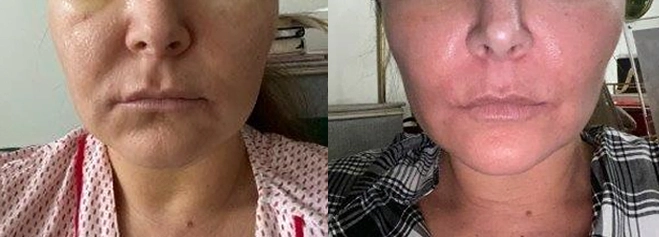
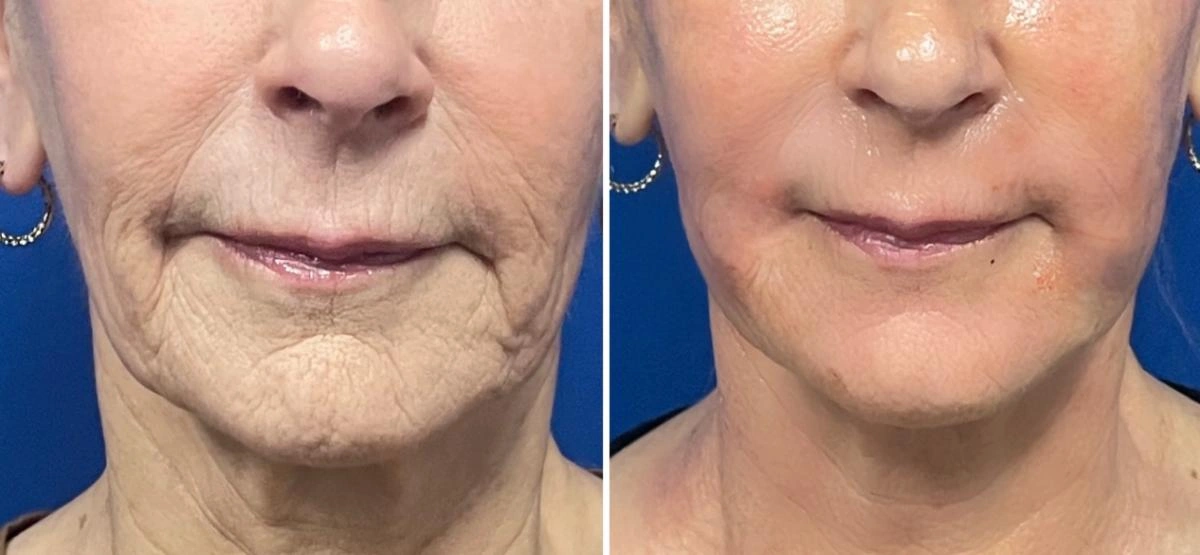
Before & After

Visible skin renewal examples

These before-and-after visuals support consultation conversations about texture, tone, glow, and realistic treatment planning.

Exosome facial before and after result example
Exosome facial before and after skin renewal example

Frequently Asked Questions

Common patient questions

Is exosome facial treatment safe?

Safety depends on the product source, application method, patient selection, and follow-up process. A consultation helps confirm whether the protocol is appropriate for your skin and medical history.

How is it different from stem cell therapy?

Exosome facial treatment uses signaling vesicles in a topical protocol after resurfacing. It is not the same as placing live stem cells into the skin.

Can it help acne scars?

It may support smoother-looking texture and collagen remodeling for mild to moderate acne scarring, especially when paired with microneedling or resurfacing. Results vary by patient.

How long do results last?

Results build gradually and vary by protocol, skin condition, and maintenance plan. Many patients choose periodic follow-up sessions to support ongoing skin quality.

Is it painful?

Most discomfort comes from the microneedling or resurfacing step. Numbing and calming measures are commonly used to keep the visit manageable.

Why Lenox

Why patients choose Lenox Medical Clinic

Physician oversight

We treat exosome therapy as a medical protocol, not just a trendy add-on.

Transparent sourcing

You should get a direct answer about the product source and how it is applied.

Customized protocols

We adjust treatment planning around acne scars, texture, tone, and recovery goals.

Comfort-focused visits

Numbing and calming steps are built into the workflow to keep the visit manageable.