A long-standing myth in aesthetic medicine says that all laser and light-based treatments must pause during warm, sunny months. The traditional rationale was simple: many lasers target melanin, UV exposure increases melanocyte activity, and combining the two raises the risk of post-inflammatory hyperpigmentation or thermal injury. Advances in laser physics and non-optical energy delivery have changed that picture considerably.
With appropriate technology selection and strict clinical protocols, skin-rejuvenation goals do not necessarily have to wait for winter.
Why traditional lasers posed summer risks
Older, non-selective light-based systems deliver energy that is absorbed by melanin near the skin's surface. When skin is tanned or actively sun-exposed, melanocytes are producing extra pigment, so surface heat absorption rises, and with it the risk of superficial burning or pigment shifts.
How modern selection works around the problem
Radiofrequency: energy without light
XERF uses radiofrequency rather than laser light, so its tightening effect does not depend on optical absorption by melanin at all. That makes RF-based tightening one of the most season-flexible options in the plan.
Deeper-penetrating wavelengths
The 1064 nm Nd:YAG wavelength available on Fotona SP Dynamis penetrates deeper into the dermis with a lower affinity for surface melanin than shorter wavelengths, one reason wavelength selection, not the calendar alone, drives what is possible.
Photoacoustic pulses instead of sustained heat
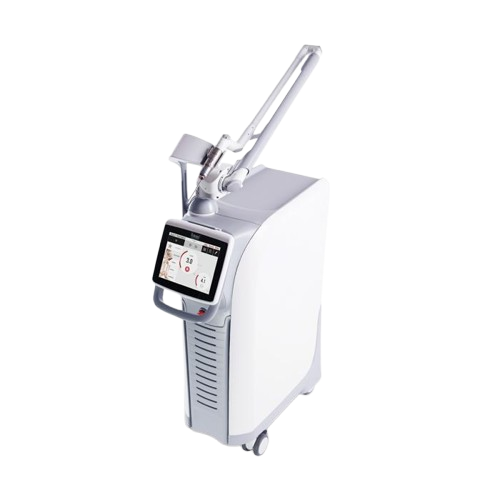
StarWalker MaQX delivers ultra-short, high-energy photoacoustic pulses that fragment target pigment mechanically rather than through sustained thermal heating, limiting heat accumulation in surrounding tissue and giving the physician more controlled options for selected pigment goals.
The summer non-negotiables
Technology choice never replaces discipline. Around any energy-based treatment, the practice's protocol includes:
- Sun avoidance: no direct sun exposure or active tanning in the window before and after treatment, as directed by your clinical team.
- Broad-spectrum mineral sunscreen: daily zinc-oxide or titanium-dioxide protection, reapplied whenever you are outdoors.
- Honest disclosure: recent tanning, sunburn, or pigment change must be reported before treatment. It genuinely changes the plan.
What still waits for cooler months
Deeper resurfacing, including intensive fractional treatment such as Micro Laser Coring, is often best scheduled when strict sun avoidance during healing is easiest to maintain. Your physician weighs the treatment depth against the season and your lifestyle.
Keep progress moving year-round
Skin care is an ongoing commitment. A consultation at Lenox Aesthetics MD can shape a season-aware strategy that protects your skin while your collagen-building progress continues.